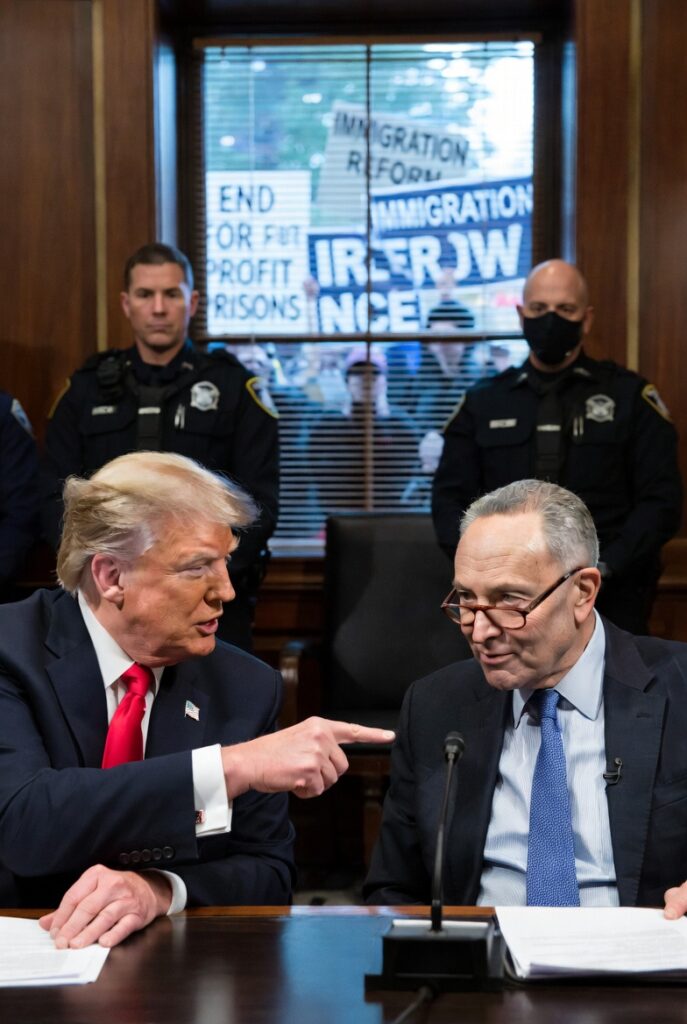
The United States faces a heightened risk of a partial government shutdown at the end of January 2026, driven by a standoff in Congress over funding for the Department of Homeland Security (DHS), which oversees Immigration and Customs Enforcement (ICE) and related agencies.
This tension stems from recent fatal shootings involving federal immigration agents in Minneapolis, Minnesota, amid President Donald Trump’s aggressive immigration enforcement and deportation operations. Key incidents include:
- The shooting death of Alex Pretti, a 37-year-old U.S. citizen and intensive care unit nurse, on Saturday (around January 25, 2026), by Border Patrol or federal agents during an enforcement action.
- An earlier fatal shooting this month of Renee Good (or Renee Nicole Good), a mother of three, by an ICE agent in the same city.
These events have sparked widespread outrage, protests, and accusations of excessive force, lack of accountability, and “state-sanctioned thuggery” in ICE operations.
Senate Democrats, led by Minority Leader Chuck Schumer, have unified in opposition to a broader spending package that includes DHS funding unless it incorporates significant reforms to rein in ICE. They blocked advancement of the bill in a procedural vote (45-55) and threatened to withhold votes needed for passage, potentially triggering a shutdown when current funding expires around midnight Friday, January 30/31, 2026.
Democrats’ key demands for ICE reforms include:
- Requiring agents to remove masks, identify themselves, and wear body cameras.
- Stricter warrant requirements and coordination with state/local law enforcement (ending “roving patrols”).
- An enforceable code of conduct, alignment of use-of-force rules with local police standards, and other guardrails on operations.
Schumer and others argue these changes are essential to prevent abuses, emphasizing that the public supports border security but not unchecked violence against U.S. citizens.
Republicans and the Trump administration have resisted these additions, with some calling for Democrats to back down and allow funding to proceed while investigations occur. Trump has expressed hope for a deal, stating the sides are working bipartisans. However, ICE has substantial pre-allocated funding from prior legislation (including a large supplemental budget), which could sustain some operations even during a partial shutdown—though broader DHS functions (and unrelated agencies like parts of Transportation or Defense in the package) would be impacted.
Negotiations continue, with suggestions of separating DHS funding for a short-term extension, but no agreement has been reached as of late January 29, 2026. Democrats appear more willing than in recent past fights to risk a shutdown, believing public sentiment has shifted against the current enforcement tactics.
This comes just months after a previous shutdown, highlighting deep partisan divides over immigration policy under Trump’s administration. The situation remains fluid, with potential for last-minute compromise or escalation.