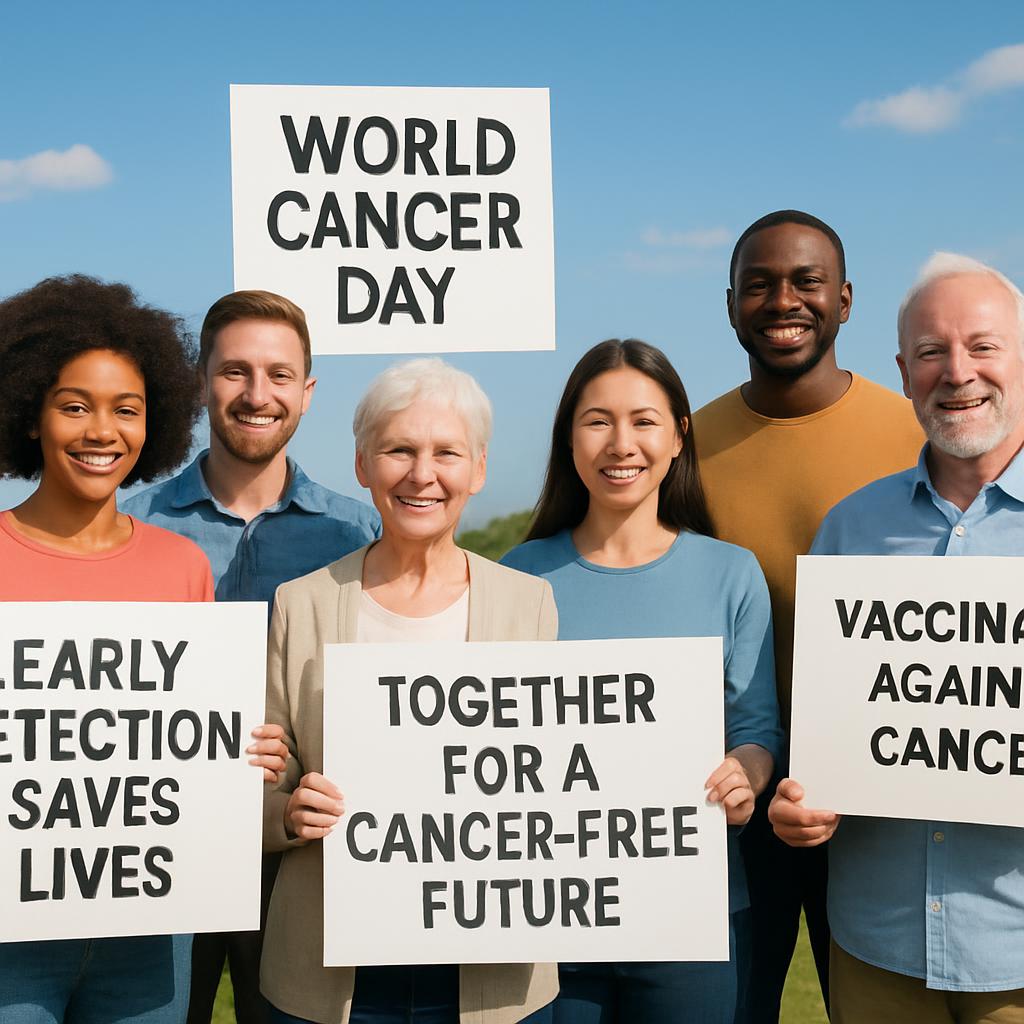
India is currently facing a distressing surge in cancer cases, with the Indian Council of Medical Research (ICMR) reporting approximately 1.5 million new cancer diagnoses each year. This alarming statistic translates to roughly 1,600 deaths daily, many of which are linked to late-stage diagnoses when treatment options become severely limited and outcomes are poor.
The Situation in Telangana
In Telangana, the crisis is particularly pronounced, with over 55,000 new cases reported annually. Projections warn that this number could exceed 65,000 by 2030, highlighting a trend that is spiraling into a full-blown public health emergency. Renowned oncologist and Padma Bhushan awardee, Dr. Dattatreyudu Nori, has characterized this trend as a significant public health crisis, stressing that the solution extends beyond merely increasing the number of treatment centers.
The Call for Comprehensive Action
Dr. Nori emphasizes that to combat the rising cancer rates effectively, we must drastically improve:
- Public awareness
- Health education
- Regular screening programs
- Early detection initiatives
Notably, he highlights two cancers that are largely preventable:
- Cervical cancer: This type of cancer can be nearly eliminated through widespread HPV vaccination, much like the eradication of polio.
- Liver cancer: Largely preventable with the Hepatitis B vaccination.
Despite the extensive knowledge available regarding cancer prevention, these initiatives remain largely overlooked, too often sidelined in favor of treatment.
Gaps in Government Health Schemes
Government health schemes such as Ayushman Bharat, Telangana’s Rajiv Aarogyasri, and Andhra Pradesh’s NTR Vaidya Seva tend to prioritize treatment over prevention. Many of these programs often exclude coverage for critical preventive tests such as mammograms, Pap smears, PSA tests, and essential vaccinations.
While recent government efforts, like the removal of customs duty on 17 cancer drugs, aim to lower treatment costs, experts insist that this approach only addresses part of the issue. Without equal emphasis on prevention strategies, we risk an ever-growing health burden.
A Vision for the Future
Dr. Nori advocates for a collective initiative among governments, NGOs, hospitals, doctors, and individuals. He proposes designating 2026 as the “Year of Joint Responsibility,” urging NGOs to ramp up efforts with mobile screening vans and community outreach programs, especially in rural areas.
Conclusion: Bridging the Gap
The situation in India underscores a critical message this World Cancer Day: we must not strive to treat our way out of this epidemic. The tools and knowledge to prevent many cancers and detect others early are within our reach. However, the current imbalance favoring treatment expansion needs immediate redress, as the cost of inaction continues to be measured in precious lives lost.
It is time to place prevention and early detection at the forefront of our healthcare agenda to save countless lives from cancer.